RVA programs include a detailed review of the factors that contribute to Climate Change, combined with experiential training in technologies and models that can reduce negative impact.
To accomplish this, we also train our teams in leadership and mobilization to engage whole communities in being a part of the solution.
Phase One – 2 Months
Understanding Climate Change and environmental sustainability.
The team immerses in study and research activities to learn
about Global Warming and Climate Change, Sustainability and
Ecological Farming. We learn and discuss possible solutions for a food, water and energy secure future and how we can better protect the environment.
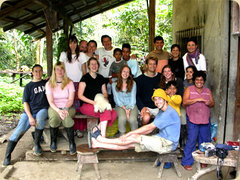
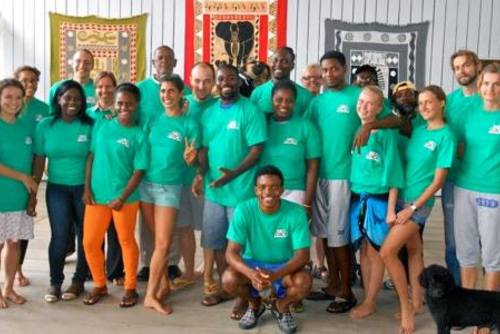
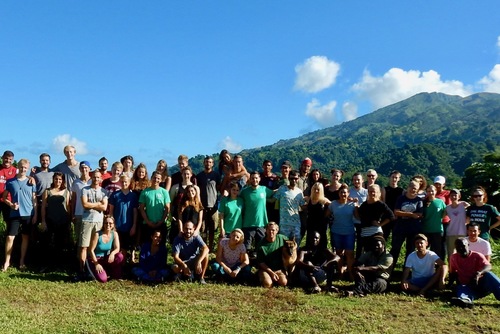
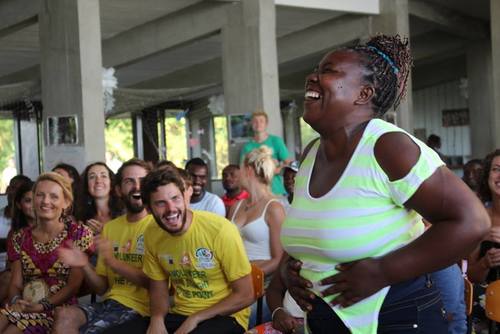
You will be part of a team of like-minded people who will work together to acquire the knowledge, mindset, and skills needed to be respectful and resourceful climate ambassadors.
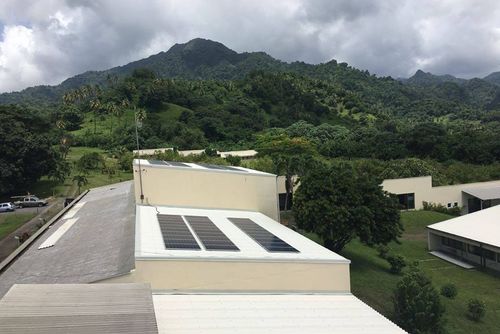
Practical Projects and further studies learning from RVA's Campus Climate Center
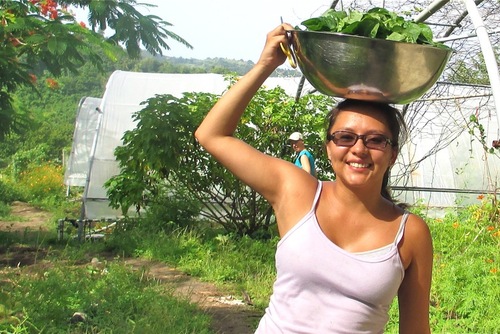
Learning by doing: Preparing and implementing projects on campus which can include expanding the vegetable and livestock production. Increase the nursery capacity and rainwater harvesting while learning more about ecological farming and community mobilization. This experience builds skills that you will then apply in the communities.
Phase Two – 2 Months
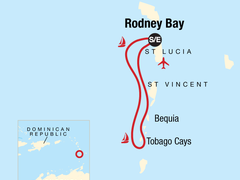
The team moves into a rural Caribbean community
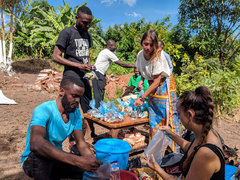
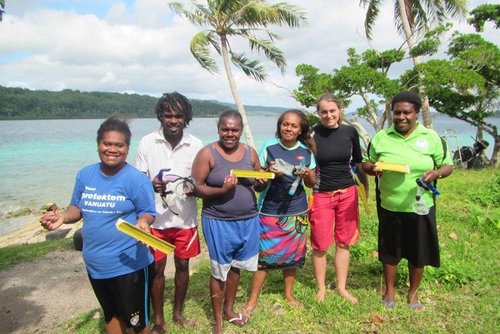
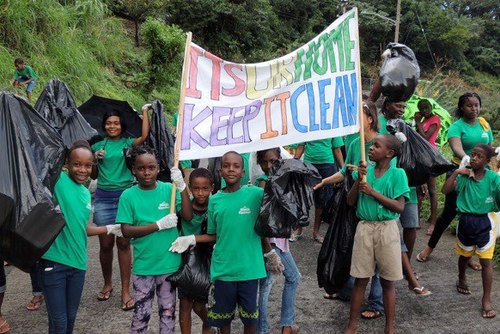
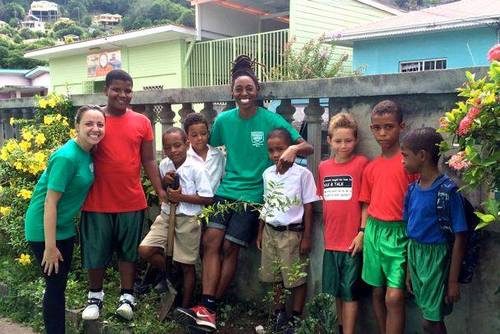
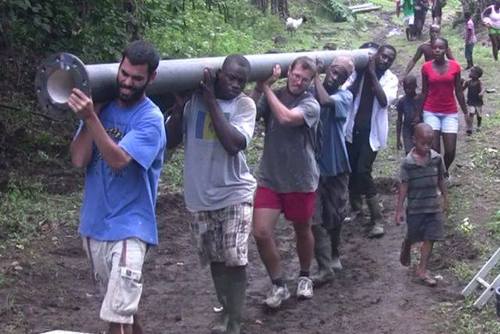
Here the team carries out activities for a more sustainable future, ranging from teaching in schools, planting trees supporting families to grow more healthy food. Promote ecological farming or carry out beach, river and community clean up.
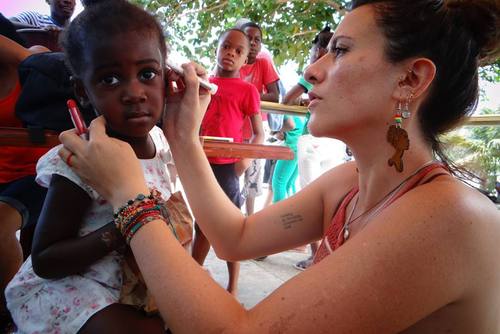
During this time, you and your team will immerse yourself into a different culture from your own, building relationships with people and adding a unique perspective to your world. You will develop new skills and gain practical experiences while contributing to a better world.
Phase Three - 2 Months
Further Studies, Actions and Telling Your Story.
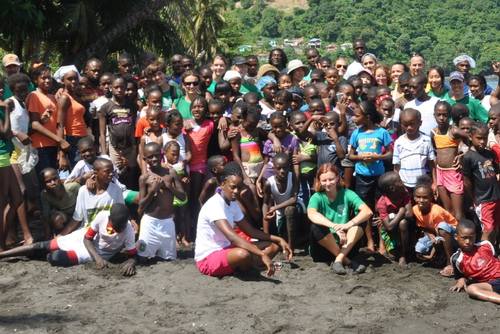
Here the team consolidates their experience and engage in deeper reflections as a team, while also implementing self-designed projects with people in the communities or at the RVA Climate Center. A focus on how to creatively tell the story about how to protect the environment and create a more sustainable future. A final celebration of the experience is held with evaluations and hosting an open day with the people they have worked with during the program.
The tasks in the Communities
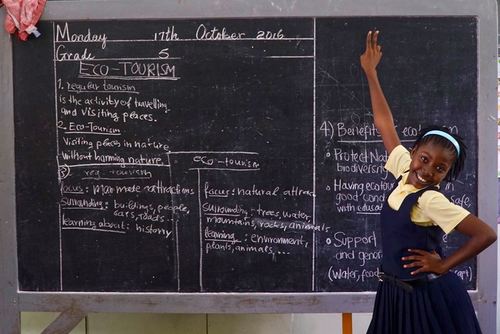
TEACHING IN SCHOOLS
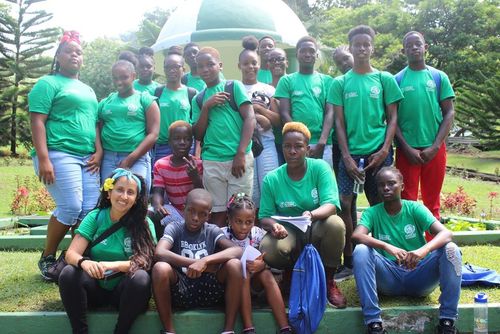
With the acknowledgment that change often starts with the younger generations, RVA is putting a lot of effort into assisting schools in St. Vincent with teaching related to climate change, climate change adaptation, and planet protection, as well as establishing strong and healthy living.
The task related to teaching include making agreements with the schools to teach, collaboration with the teachers, getting closely connected with the students, and bringing new knowledge and energy to the classes using innovative and creative teaching methods and workshops. In some schools, this could also be supporting the implementation of a school garden.
TREE PLANTING
Tree planting is one of the actions around the world that mitigates the carbon excess in the atmosphere, and with tree planting campaigns, we can both plant many trees and promote farming methods that do not include cutting down the trees.
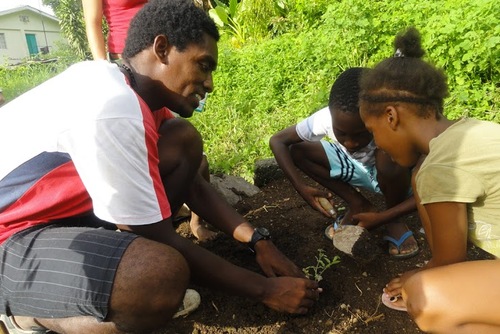
The task is about mobilizing community members to plant trees and care for them, while teaching about the importance of such actions. Tree planting can be part of coastal protection, promoting fruit trees, or in its own right. It could typically be a combination of teaching in schools.
IMPLEMENTING HOME GARDENS
We have been working with families for many years, spearheading that growing vegetables ecologically and without chemicals is possible, providing healthy vegetables for families and communities.
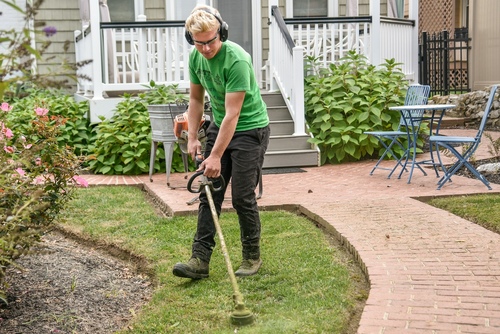
The task is to support the owners by giving a hand with the beds, re-establishing what has fallen behind, bringing the next level to the gardens with more beds, water systems, nursery space, etc.