More importantly, you need to be physically fit because this will have an impact on your performance, safety, and enjoyment. Activities like hiking, mountain climbing, or kayaking require strength, endurance, and core stability to reduce the risks of accidents.
On top of all these, you also need to be pain and injury-free, especially in the joints since having injured or painful knees or shoulders can cause your body to overcompensate, leading to long-term pain issues later on.
Shoulder pain and injuries, in particular, are highly common among travelers. According to Harvard Health about 70 percent of people will experience shoulder pain at some point in their lives.
Persistent wear and tear and injuries can result in conditions such as bursitis, dislocation, or a frozen shoulder, but with proper treatment you can make a return to the activities that you love to engage in while you're on a holiday.
If you've had a shoulder injury or are currently experiencing shoulder pain, here's a guide to make a safe return to outdoor adventures.
See a Specialist for Proper Diagnosis
Most people tend to ignore shoulder pain, thinking that they probably slept in an awkward position or that it's a sign of aging. Many individuals believe that their shoulder pain will go away on its own, and while that's true for some people, it's important not to ignore persistent pain or discomfort, especially if it gets in the way of your daily activities.
For instance, if you have shoulder pain that gets worse at night, or if you experience pain when lifting your arms, these could be symptoms of shoulder impingement. This condition is common in athletes as it's a result of overuse, causing the rotator cuff to rub against the top of the shoulder.
Adventure activities like rock climbing, kayaking, or backpacking can also increase your risks of developing this type of pain issue, so if you experience symptoms it's recommended to see a specialist for proper diagnosis and treatment.
The majority of shoulder pain problems can be remedied through physiotherapy, medication and rest. But for certain health conditions like shoulder impingement or bursitis, it's likely that your doctor may recommend surgery to ease pain and restore mobility.
If you're feeling persistent shoulder pain, have limited movement or instability, or if you hear strange noises while moving your shoulder, see a specialist immediately to prevent your condition from getting worse.
Rehabilitation and Gentle Activity to Get Back to the Outdoors
Think you're ready to book an outdoor adventure trip right after your shoulder treatment or surgery? Not so fast. Returning too early to outdoor adventures can increase the risks of re-injury, so get clearance from your doctor to see if you're well enough to do any form of physical activity. You should also perform the exercises recommended by your physical therapist to strengthen your rotator cuff and muscles. Don't forget to focus on mobility by doing gentle stretching exercises since these can help to relieve stiffness and improve range of motion.
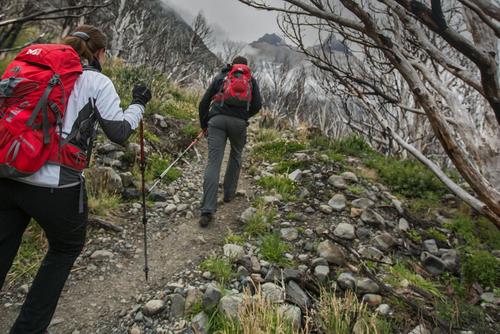
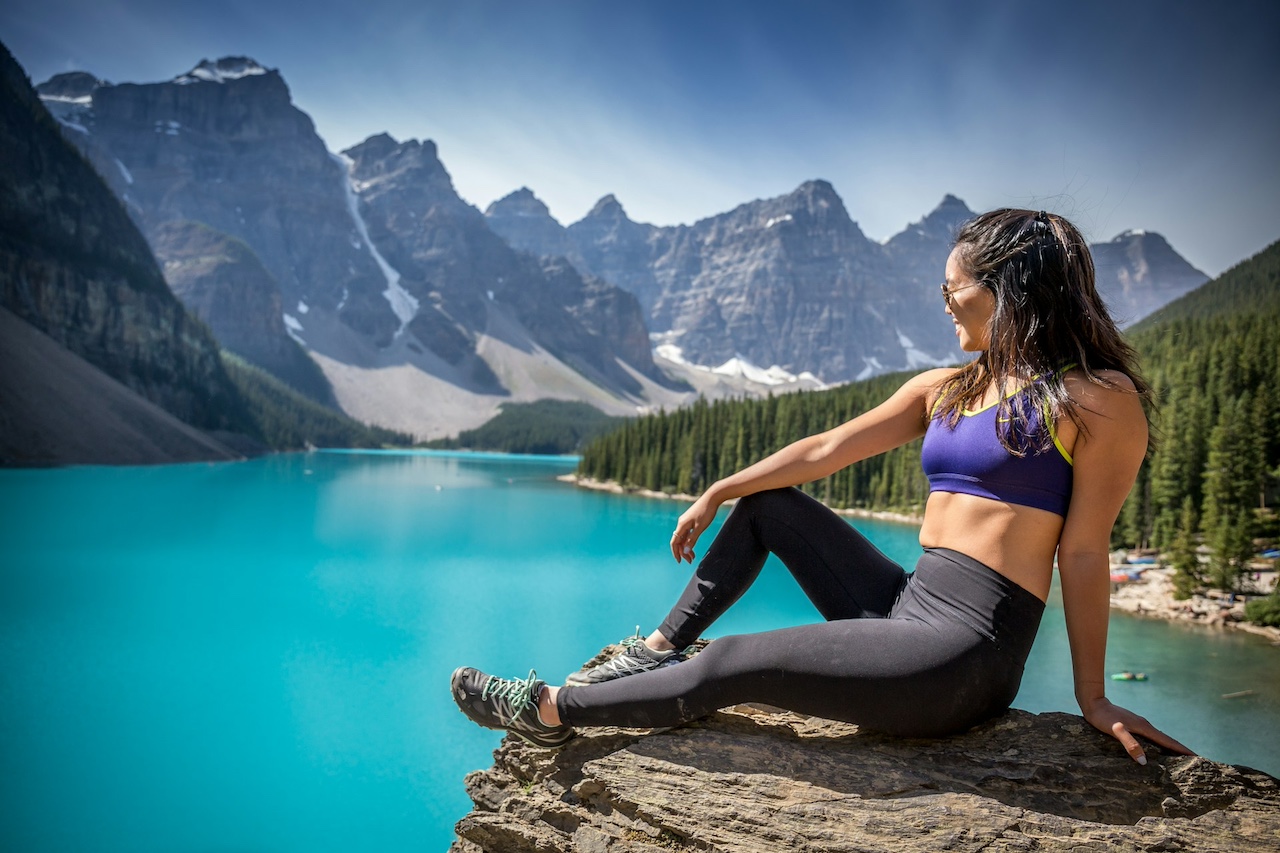
Once you've been cleared to do outdoor exercises, start by engaging in gentle, non-strenuous activities like walking or hiking on flat terrain or cycling. Observe how your shoulder feels during certain exercises and movements, and try not to power through them if you feel discomfort or twinges of pain. As your body adapts, you may gradually ease into other sport-specific activities, but take your time and don't try to rush your recovery.
Be Selective with Activities and Take it Easy
You may have been cleared to return to outdoor adventures, but it's still important to exercise caution, no matter how badly you want to try an extreme sport or a more challenging hiking trail. Even a simple hike can result in injury as data shows that about 4,000 to 5,000 hiking injuries happen every year.
Prevention is key to avoid re-injury, so carry a light backpack during the first few months after your recovery period, and avoid activities that can worsen a hurt shoulder, such as skiing or snowboarding.
If you want to return to kayaking, pick a place with calm waters, and use a lighter paddle to avoid straining your joints. Meanwhile, those who want to get back into rock climbing should pick easy routes with large holds to avoid shoulder strain or pain.
With proper diagnosis, treatment, and a solid recovery plan, you can get back into outdoor adventures and resume your travels around the world. Remember to consult a specialist if you experience persistent pain, and take it easy to avoid re-injury and keep your body in optimum condition.