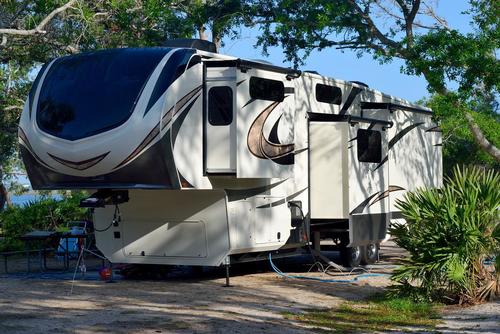
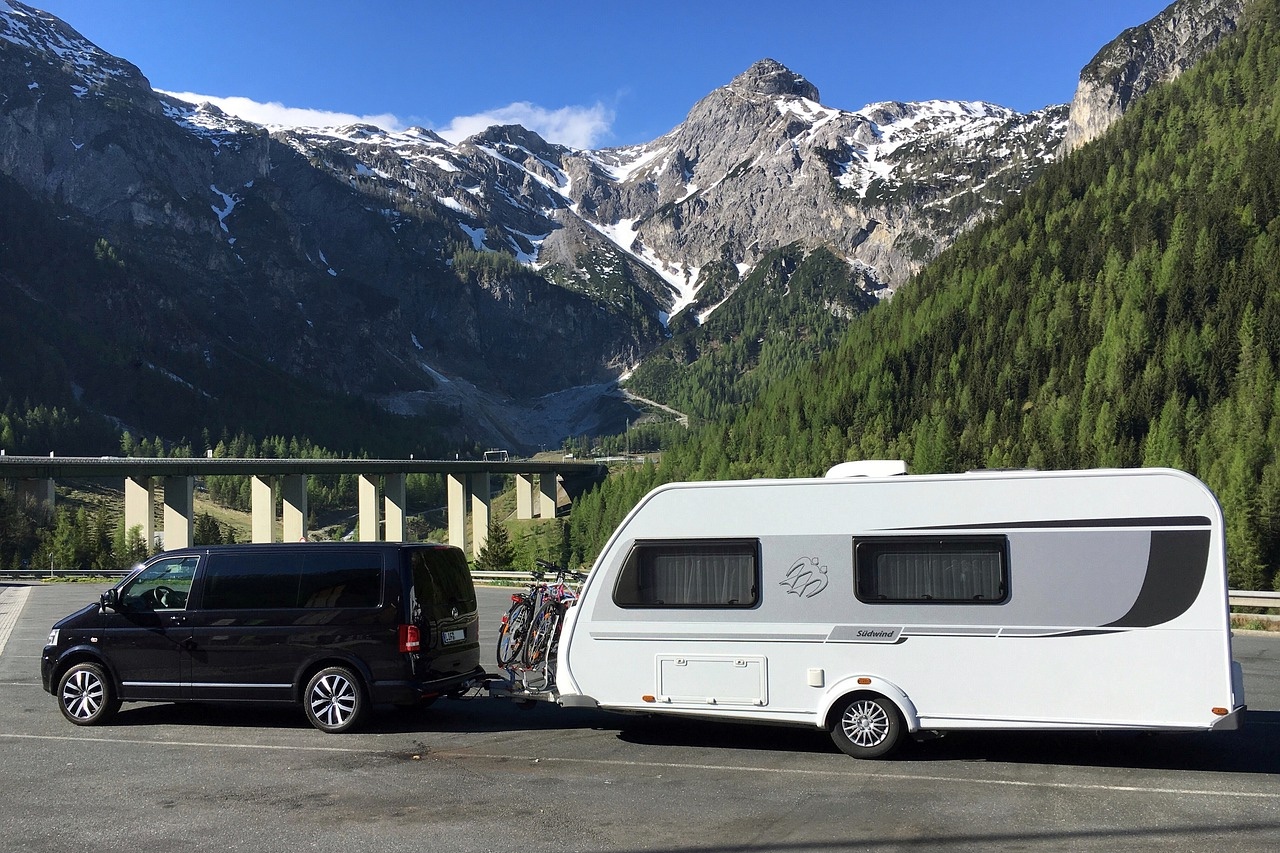
The real cost appears over three to five years through lost resale value, tow vehicle needs, yearly fees and upkeep.
The sticker price is only the start
We've all seen it. Two camper trailers look similar on the lot. One is priced lower. It feels like a win.
That gap often disappears once you add up the total cost of ownership across three to five years. If you finance, there is loan interest to pay.
Insurance and registration come around each year. Then there is storage and servicing. Tyres and brakes wear out. Unexpected fixes pop up too.
A low sticker price helps at the start. It doesn't tell you what you'll spend to keep the trailer legal, safe and ready to use. It also doesn't tell you what you'll get back when you sell.
That's why we don't compare camper trailers on price alone. We compare what we pay to buy and hold them. Compare these costs over five years and the picture becomes clear, leaving nowhere for a weak trailer or mounting yearly bills to hide.
Tow vehicle capacity is the hidden budget breaker
Nothing wrecks a trailer budget faster than the wrong tow vehicle. We've seen buyers choose a trailer they love. Then they discover their vehicle can't legally tow it.
Every trailer has a tare weight. That is what it weighs empty from the manufacturer. It also has an aggregate trailer mass. That is the most it can weigh when fully loaded. Your tow vehicle has limits too, and the big one is gross combination mass, which covers the vehicle and trailer, along with all your gear and passengers once you are packed and hitched.
You can't guess these numbers. You have to read the plates and check the handbook. Add water, gas, food and clothes. Include recovery gear and tools as well. Most families pack more weight than they expect. Going over the limit is easy.
If you're over, you have two choices. You can pack less or get a different tow vehicle. Packing less rarely works for long. A new tow vehicle can cost more than the trailer itself. That single mistake can turn a mid-priced setup into a very dear one.
Weight also explains why on-road and off-road camper trailers are priced so differently. Off-road models have stronger chassis and heavier suspension. They sit higher to provide clearance. All of this adds weight. They need a more capable vehicle. On-road models stay lighter and simpler. They suit smaller tow vehicles and sealed roads.
Check the figures before you pay a deposit. Don't trust your memory. Match the tare weight and aggregate trailer mass against your tow vehicle limits in writing. If the numbers are tight, walk away. There will always be another trailer that fits properly.
Depreciation decides what you really paid
Depreciation is the line most buyers miss. It happens quietly. It can dwarf fuel and yearly fees.
A new trailer loses value the moment it leaves the yard. The first year usually hurts most. After that, the curve flattens if the trailer is well built and properly maintained. Resale values vary with build quality, demand and maintenance history.
Build quality is the main reason some trailers hold value while others don't. Strong welds and straight chassis help everything remain aligned. Good seals keep dust and water outside. Decent suspension handles corrugations without shaking fixings loose. At resale, buyers look closely for sagging doors and tired canvas. They discount heavily when they find those signs. Rust around welds tends to worry them most.
Manufacturer history matters here too. An established manufacturer with parts available and clear warranty terms gives second-hand buyers confidence. They will usually pay more for that confidence. A no-name trailer with limited support can scare them away. Even if both trailers looked the same on day one, they won't command the same price in year four.
Build quality is worth considering when exploring manufacturers such as Austrack Campers, as resale buyers often inspect the chassis, canvas and seals for signs of wear.
Think of resale as a rebate. One trailer might return half its original price after five years. Another returns a third. That difference can easily outweigh whatever you saved on day one.
Fixed yearly costs add up fast
Once you own the trailer, the meter keeps running. Some costs arrive yearly. Others come with each trip. They all need a place in your budget.
Insurance comes first. Third-party property damage insurance is designed to cover damage to someone else's property, subject to the policy terms, but it generally doesn't cover damage to your own trailer.
Comprehensive trailer insurance can cover theft and damage to the trailer, depending on the policy and its exclusions. Value affects the premium, so an expensive off-road trailer generally costs more to insure than a cheap on-road model, while its storage location and intended use can move the quote further.
Where you keep the trailer makes a difference. Locked storage behind gates is usually seen as lower risk than street parking. Your planned use matters as well. If you intend to tackle rough tracks, tell the insurer. Off-track use can increase premiums or require extra terms. This isn't something to guess. Get quotes before you buy.
Registration comes next. Fees vary by jurisdiction and are often tied to weight and axle count. A heavy tandem-axle off-road trailer will usually cost more to keep registered each year than a light single-axle model. That difference repeats annually. Over five years, it becomes a meaningful cost.
Storage is the expense many new buyers forget. Keeping the trailer at home is cheapest if you have enough room. Check the access and available shade. Make sure the security is sound. Commercial storage yards charge by the month. In metro areas, that charge can rival insurance as a yearly expense. Ask about access hours and dust control before signing.
Then there are the trip fees. Paid campsites charge by the night. Parks may charge entry or camping fees on top. If you mainly stay in paid locations, those nights add up across the year. This is where your choice of specifications starts affecting the budget, which we'll cover next.
Maintenance bills arrive on time, not on mileage
Trailers wear even while sitting still. Seals dry out. Grease ages. Brakes need regular attention. Skip servicing and small faults can quickly become expensive ones.
Wheel bearings and brakes are first on the list. Bearings need cleaning and repacking according to schedule. Brakes need adjustment and checks for wear. This work is due according to time as well as distance. A trailer that has sat all year still needs an inspection before a major trip. Dust finds its way in. So does moisture. A failed bearing on a remote road costs much more than routine servicing at home.
Suspension is next. Leaf-spring setups are simple and relatively cheap to repair. Most workshops are familiar with them. Independent setups cost more upfront. They ride better on rough roads and absorb corrugations with less shaking through the body. They still need their bushes and shocks checked. If you tow regularly on gravel, allow more for maintenance because vibration loosens fixings, exposes weak welds over time and turns small issues into major repairs.
Tyres and wheels deserve a separate line in the budget. Off-road tread provides better grip on dirt and gravel. It also wears faster on sealed roads. Many owners carry two spares when travelling remotely. That is a sensible precaution. It also means buying and eventually replacing more rubber. Check the load ratings and tyre age. Inspect the tread as well. Old tyres can fail even when plenty of tread remains.
Canvas and seals complete the maintenance list. Clean the canvas and let it dry fully before packing it away. Check zips and seams every season. A little care here helps prevent leaks that can ruin cupboards and bedding.
There is no realistic way around this spending.
Spec choices that change costs for years
You can choose a trailer that keeps trip costs down. Alternatively, you can buy one that keeps you dependent on paid sites. The difference often comes down to specifications.
Power is the clearest example. A basic setup with a small battery is suitable for short stays with hook-ups. A system with solar and lithium can run a fridge and lights for days off-grid. It costs more at the time of purchase. It pays some of that back whenever you skip a powered site and stay on free or low-cost ground. Across five years, those saved nights can add up. You also gain more freedom when camping. There is less need to plan your days around access to plugs.
Water and storage affect costs in much the same way. Bigger tanks and practical storage allow you to stay out longer. You can buy fewer supplies while on the road. You also make fewer detours. That reduces both fuel use and lost time.
Warranty and support influence costs too. A clear warranty backed by locally available parts means a failed latch or leaking fitting can be fixed quickly, rather than leaving you to chase parts for weeks or pay a third party to diagnose the fault.
Good support keeps minor faults manageable. Poor support allows them to become bigger problems. When reading the fine print, look at what is covered and who completes the work. Check how long the cover lasts. Ask where replacement parts come from. Find out how long owners usually wait.
Don't buy specifications for bragging rights. Choose them for the way you actually camp. If you stay mostly on sealed roads near towns, heavy off-road gear is unnecessary. If you regularly chase remote tracks, that equipment matters. Match the build to the trip and you are less likely to pay twice.
How to compare camper trailers on total cost
Don't shop by sticker price alone. Compare the five-year total instead. That is how we separate what is genuinely cheap from what only looks cheap.
Start with the purchase price and finance costs. Write down the drive-away price plus interest if you borrow. Then add five years of ownership costs. Include insurance and registration. Add storage charges. Allow for a service every year. Include tyres and brakes across the same period. Be honest about your trips as well. Add site fees based on how you really camp, rather than how you hope to camp.
Then subtract the expected resale value. This is where buying new or used changes the maths. A new trailer gives you a full warranty and clean history. It also takes the first-year fall in value.
A used trailer avoids that initial drop. It may come with worn bearings and tired canvas. Check the service records and inspect underneath. If the seller can't provide evidence of proper care, budget for catch-up work.
Run the same calculation for every trailer you are considering, using the same ownership period and the same trips so the result reflects real use rather than wishful thinking. The best option is often not the cheapest one to buy. It is the trailer with its resale value after five years still intact and yearly bills you can comfortably manage.
Keep the sheet after buying. Update it at the end of year one. You'll quickly see whether your original estimate was right.
Buy the trailer you can own without financial stress. The cheapest way to own one is to get the total cost right before you sign.