A well thought-out kitchen will help in this effort.
Whether visitors are brewing their first morning cup of coffee or preparing a quick meal, the way you lay out your kitchen matters.You don’t need a lot of space or cash to create a serviceable, functional kitchen.
Here are some tips for designing a small hostel kitchen.
1. Be Thoughtful About Your Space
First, consider how you believe your visitors will interact with the kitchen, for the most part. Hostel kitchens are used to prepare quick, simple food- think pasta, stir fry, grilled cheese, and such. Here are some tips for thoughtfulness:
-
Create clear prep, cooking, cleaning, assembly, and storage areas
-
Take advantage of vertical storage. This could include wall hooks, racks, and magnetic strips for utensils instead of counter space
-
Use folding or stackable furniture for different uses: a breakfast area could double as a prep space.
2. Prioritize the Basics
You do not need every single appliance on the market - just the correct ones.
Hostel kitchens work best when they have basic, durable, multi-use items. Here are a few cooking essentials:
-
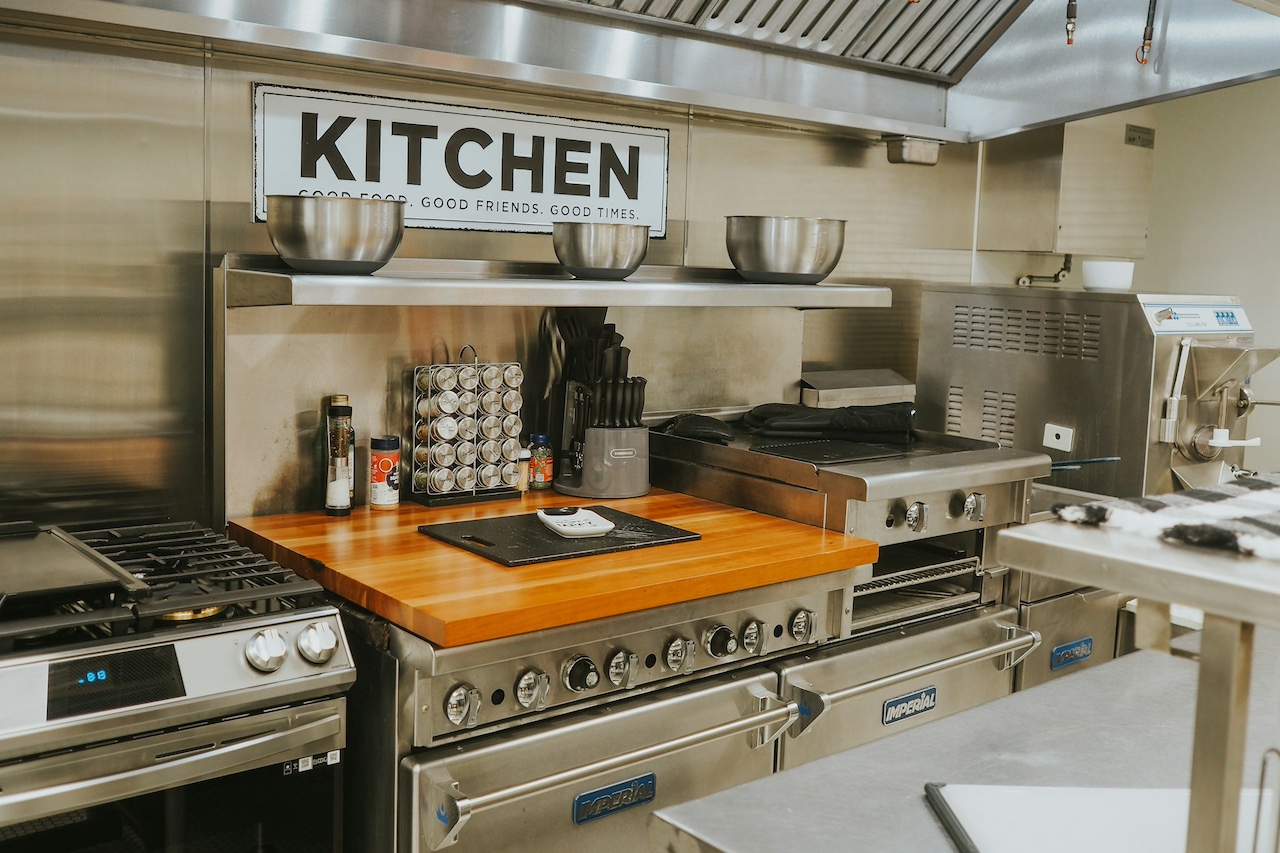
Two to four burners (gas or induction depending on what is available for power)
-
One medium oven or convection toaster oven
-
Durable nonstick pans, simple pots, cutting boards and mixing bowls
-
Reusable utensils and labeled containers
Cleaning Essentials:
-
Double sink
-
Eco-friendly scrub brushes and soap
-
Clear instructions on cleaning etiquette
You can keep costs down with used commercial-grade equipment. Alternatively, purchase in bulk for hospitality discounts.
3. Address Local Food Safety Basics
Even small hostel kitchens are required to follow local health codes. This usually includes:
-
Clear separation of raw and cooked food preparation areas
-
Proper temperatures for refrigeration (under 5°C / 41°F)
-
Easily cleanable surfaces (do not use porous surfaces like unsealed wood)
-
Pest control and waste separation.
Place simple reminders about hygiene around the kitchen. Your instructions might say
"Remember to wash hands before cooking" or "Label your food" in several languages. This will help create a standard for cleanliness and will make everyone who uses the space feel safe.
4. Choose Energy-Efficient Appliances
Most kitchen facilities work continuously, and energy costs can accumulate. So, when
acquiring any appliance, look for an Energy Star or other similar ratings. Some
common energy saving items are induction cook tops, LED lights and low-flow faucets.. Look for:
-
Induction plates as replacements for gas stoves when electricity is a reliable source
-
Motion-sensor lights or timed switches in shared use areas
-
Mini dishwashers that include eco-modes instead of large, inefficient dishwashers that suck up additional water.
5. Choose the Right Cold Storage
Keeping things refrigerated is probably the hardest part of managing a hostel kitchen.
You have to balance stocking enough food for your guests but not too much. Using separate refrigerators and freezers is an ideal way to store the food needed, but it sometimes takes up more space than you have.
However,compact combo or two-in-one units may be good options. They are the smarter investment because they compact refrigeration and freezing into one. When exploring your options, consider the Restaurant Supply commercial fridge freezer combo catalog.
You can see a compilation of space-saving refrigerator /freezer combo units that are suitable for different types of hospitality kitchens. These units are great for hostel operations when managing cold storage in a limited space or if you're struggling with compliance.
You can try to evolve and meet food safety expectations without the hassle of having two appliances.
Endnote
When creating a hostel kitchen on a budget, it comes down to two things; smart spending and smart design. You basically want to make sure that functionality, energy efficiency and guest experiences are ranked as your top priorities.
With just a little consideration, a small kitchen can make for a great social hub in the hostel. The kitchen is not only a place for travelers to meet, celebrate or exchange recipes and friendly fun. More than anything, it is the place to enjoy the experience and a taste of your identity.