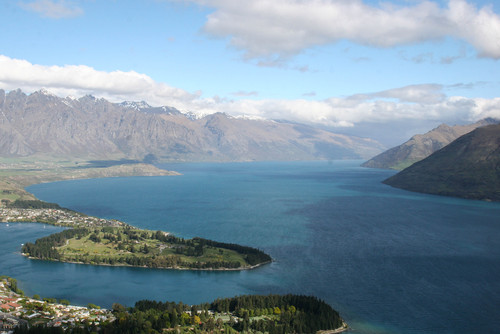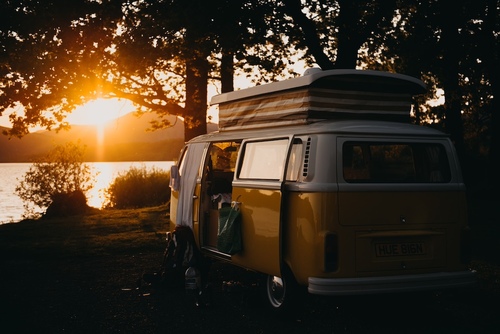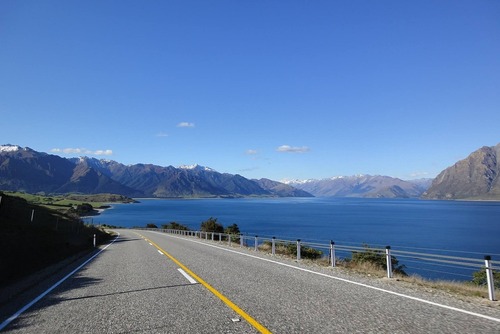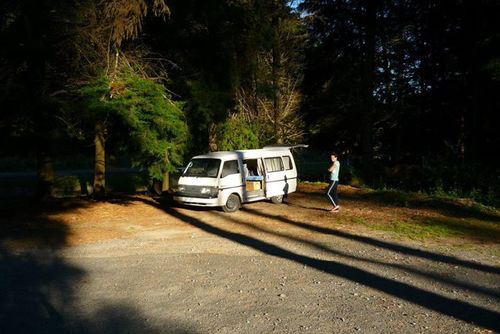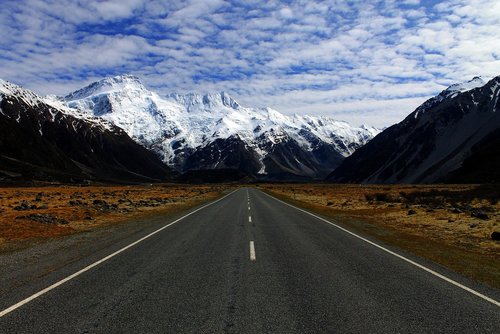
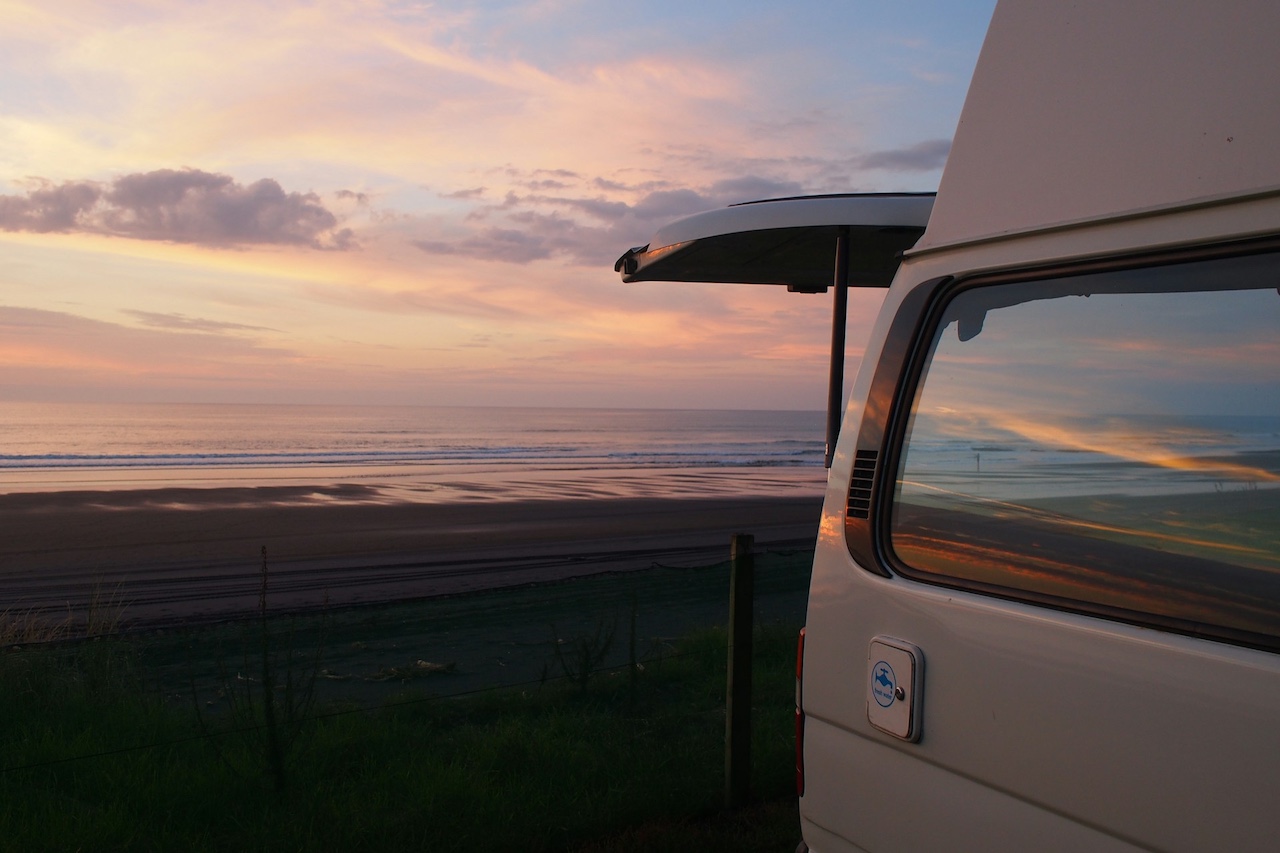
But choosing where to park for the evening requires a bit of homework to make sure a dream spot doesn't turn into a nightmare.
Otherwise, you might find the perfect place—stunning sunset views, absolute silence, and not another soul in sight—only to be woken at midnight by a tapping on your window from a council officer or a chorus of early-morning road works.
Before you step on the accelerator of your campervan and start your journey, take a few minutes to run through these essential questions:
1) Have I Considered the Season and Rental Demand?
The time of year can influence both availability and options.
Summer brings longer days and excellent road-trip conditions, but popular regions can become busy and relying entirely on last-minute bookings may limit your choices. Conversely, winter travel offers quieter roads and dramatic scenery, but you will need to prepare for colder temperatures and shorter daylight hours.
If you want the best of both worlds, travelling during the shoulder seasons (autumn and spring) is often the best option. You’ll dodge the summer crowds, enjoy milder weather, and secure much better rental deals. Plus, finding a park at prime overnight spots is infinitely easier.
2) What Will the Conditions Be Like Overnight?
Beyond the season, check the overnight forecast and consider how your campervan will handle the conditions. New Zealand weather can change rapidly, even during warmer months. A sunny afternoon can become a cold, wet evening, particularly in exposed areas. A sheltered campsite may be a better option during windy weather, while a location with access to facilities can make a big difference during colder months.
3) Does This Stop Fit My Travel Budget?
A free campsite may seem like the obvious choice, but it’s worth looking at the bigger picture.
The stop could involve extra driving, additional fuel costs, or a need for paid facilities. For these reasons, if you’re heading there, plan ahead and check prices for an Auckland Airport campervan hire early on, as the vehicle type and its inclusions and extras directly dictate your daily spend.
In particular, a fully self-contained campervan might cost a little more upfront, but it opens up thousands of free freedom camping spots across the country that a smaller, non-contained van simply can't legally use.
Budgeting for your trip is all about striking the right balance between where to spend and where to save. Many travellers find the sweet spot by mixing low-cost or freedom camping spots with the occasional stay at a holiday park or Department of Conservation (DOC) campsite to charge up the batteries, do a load of laundry, and enjoy a decent hot shower.
4) Is an Overnight Stop Actually Allowed?
New Zealand has many beautiful areas where overnight parking may look possible, but appearances can be misleading. Some roadside areas, beaches, and scenic viewpoints only allow daytime parking, while others permit overnight stays under specific conditions.
Check whether the location is an official campsite, a DOC campsite, a holiday park, or a designated freedom camping area. Some places allow overnight stays only for vehicles that meet self-containment requirements, while others may require a camping fee or booking.
Local council rules can also differ significantly. A location that permits camping in one district may prohibit it just a short drive away. Taking a few minutes to confirm the rules helps you avoid fines and ensures you are respecting the communities you’re visiting.
5) How Long Can I Stay?
Even if you’ve stumbled across the ultimate spot, you can’t pitch up forever. Most overnight stops, local reserves, and freedom camping areas come with strict stay limits—often capped at 24 to 48 hours—to prevent overcrowding and give everyone a fair turn.
Local councils and authorities keep a close eye on popular spots, and overstaying your welcome is a quick way to cop a hefty fine or ruin the location for fellow campervan travellers.
As mentioned, keep an eye out for local council signs as you roll in, as rules can vary. For instance, some locations strictly dictate that you must pack up and move on by 8:00 AM. Knowing the time limit upfront lets you plan the next leg of your itinerary without any early morning stress.
6) What Facilities Are Available?
Think about what you'll actually need for the night. Are there public toilets, fresh drinking water taps, or rubbish bins nearby? Can you legally empty your greywater here, or will you need to locate a proper dump station down the road?
It’s just as important to check your own campervan setup before settling in. Ensure your fresh water tank is topped up, your greywater and cassette tanks have plenty of capacity left, and your house battery has enough juice to power your fridge and lights through the night.
If your onboard facilities are running low, or your campervan isn't fully self-contained, you'll need to rely on site amenities like powered sites, camp kitchens, and communal block facilities.
7) What Happens if Something Goes Wrong?
Even a well-planned trip can have unexpected moments. Before staying somewhere remote, know what support is available. Primarily, understand your rental company’s roadside assistance process, keep emergency supplies available, and make sure someone knows your general travel plans if you’re heading into less populated areas. New Zealand’s emergency number is 111, but preparation remains your best tool for handling surprises.
Pick the Perfect Overnight Stop Every Single Time
You don’t have to overcomplicate your trip to find the right campervan stop. After all, the best spots across New Zealand effortlessly blend those million-dollar wake-up views with safety, legality, and comfort. However, you still need to run through some quick checks so you spend more time enjoying the magic of the open road.