Across the U.S., fly fishing has carved out a strong presence, with destinations like Montana, Colorado, and Pennsylvania offering a myriad of backdrops and species.
Whether you're new to the sport or refining your technique after years on the water, Lennox Cummings says that fly fishing offers a chance for everyone.
The gear is approachable, the learning curve is steady, and the sense of community that surrounds it is welcoming.
Fly Fishing
Fly fishing uses a lightweight lure—called a fly—to catch fish.
Unlike traditional fishing, which relies on the weight of the bait or lure to cast, fly fishing uses the weight of the line itself to deliver the fly to the water. This unique approach requires a different casting technique and often emphasizes precision and timing. The motion becomes almost meditative, drawing anglers into a focused state as they work the line back and forth.
Many associate fly fishing with rivers and streams, but it’s also commonly practiced in stillwater habitats such as lakes and ponds. This style often involves mimicking the appearance of insects or small creatures fish feed on, using handcrafted flies made of feathers, thread, and other materials.
The simplicity of the gear contrasts with the skill required, creating a balance that appeals to both beginners and seasoned anglers.
What Makes Fly Fishing Rewarding
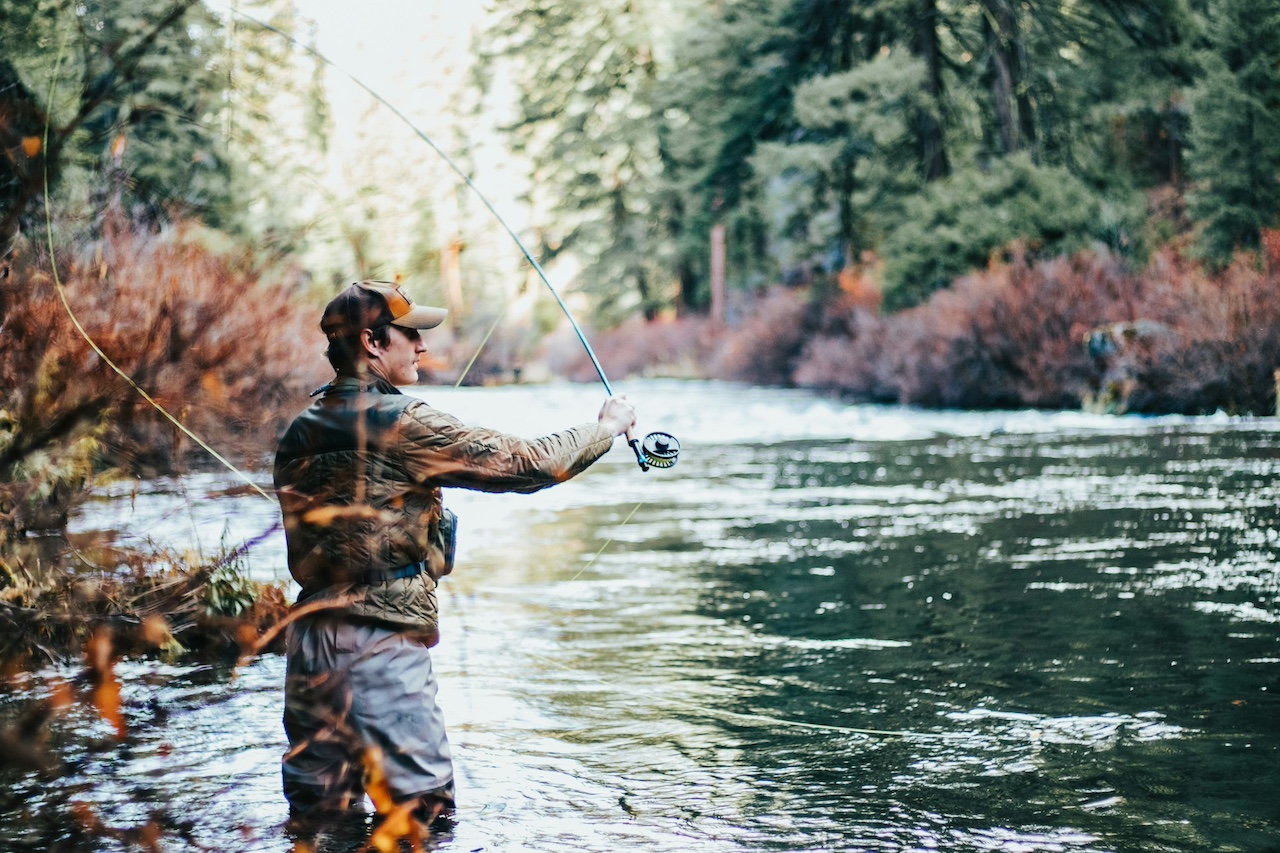
There’s something extremely calming about standing knee-deep in a flowing river, surrounded by towering trees and the rhythmic sounds of nature.
Fly fishing invites a kind of mindfulness that’s hard to replicate, encouraging anglers to slow down and focus on each cast, each ripple, and each movement on the water's surface. It becomes less about the catch and more about the moment. Some anglers describe it as a form of moving meditation, where time seems to slow down.
The mental challenge of reading water, choosing the right fly, and mastering casting techniques keeps it engaging over time. It’s a blend of art and skill that offers both immediate enjoyment and long-term growth.
Whether shared with others or pursued alone, the experience often becomes a ritual that reconnects people with the natural world. Even on days when the fish aren’t biting, the rhythm of the river offers its own reward.
Essential Gear and Getting Started
To get started with fly fishing, a basic setup usually includes a rod, reel, weighted line, and a selection of flies.
The gear might seem simple at first glance, but each piece serves a specific purpose and needs to be matched thoughtfully to the environment and the type of fish being targeted. A trout stream in the mountains may call for different equipment than a warm-water lake. Fly boxes are often filled with options tailored to seasonal hatches and local insects.
Newcomers quickly learn that technique matters just as much as tools. Timing, line control, and fly presentation all play a role in success. Many beginners find value in short lessons or local workshops, which can help build confidence before heading out on their own.
Wading boots, polarized sunglasses, and a bit of patience also go a long way. With a modest investment and a curious spirit, anyone can take their first steps into this timeless sport.
Top Destinations for Fly Fishing
Across the United States, certain regions have gained reputations as fly fishing havens.
Montana’s Big Sky Country is legendary for its crystal-clear rivers like the Madison and Gallatin, where anglers chase wild trout under expansive skies. In Colorado, high-elevation streams offer a mix of scenic beauty and technical challenges, while Pennsylvania’s limestone creeks are steeped in fly fishing tradition and history.
Each destination offers its own rhythm and rewards. Some waters are catch-and-release only, preserving fish populations and promoting sustainable practices.
Local outfitters and guides often provide invaluable insight into seasonal hatches, river conditions, and regulations, helping visitors make the most of their time on the water. Some even offer float trips or backcountry excursions, adding a sense of adventure to the outing.
Learning and Improving Techniques
As anglers spend more time on the water, their ability to read currents, observe insect activity, and adjust their technique grows.
Fly selection becomes more intuitive, often based on subtle cues like the way fish rise or the time of day. This deepening knowledge creates a sense of mastery that keeps many returning season after season. The learning curve is steady but satisfying, with each outing offering new lessons.
Casting isn’t just about distance—it’s about precision and control. A well-placed cast can make all the difference, especially in tight spots or when targeting wary fish. Some anglers keep journals to track conditions and patterns, helping them refine their approach with each trip.
Community
Beyond the waters themselves, fly fishing fosters a rich sense of community. Clubs, events, and conservation groups bring people together over shared passion and purpose.
Many anglers also find fulfillment in giving back—through river cleanups, habitat restoration, or teaching the next generation how to cast a fly. The culture surrounding fly fishing often emphasizes respect for nature and stewardship of the waterways we depend on.