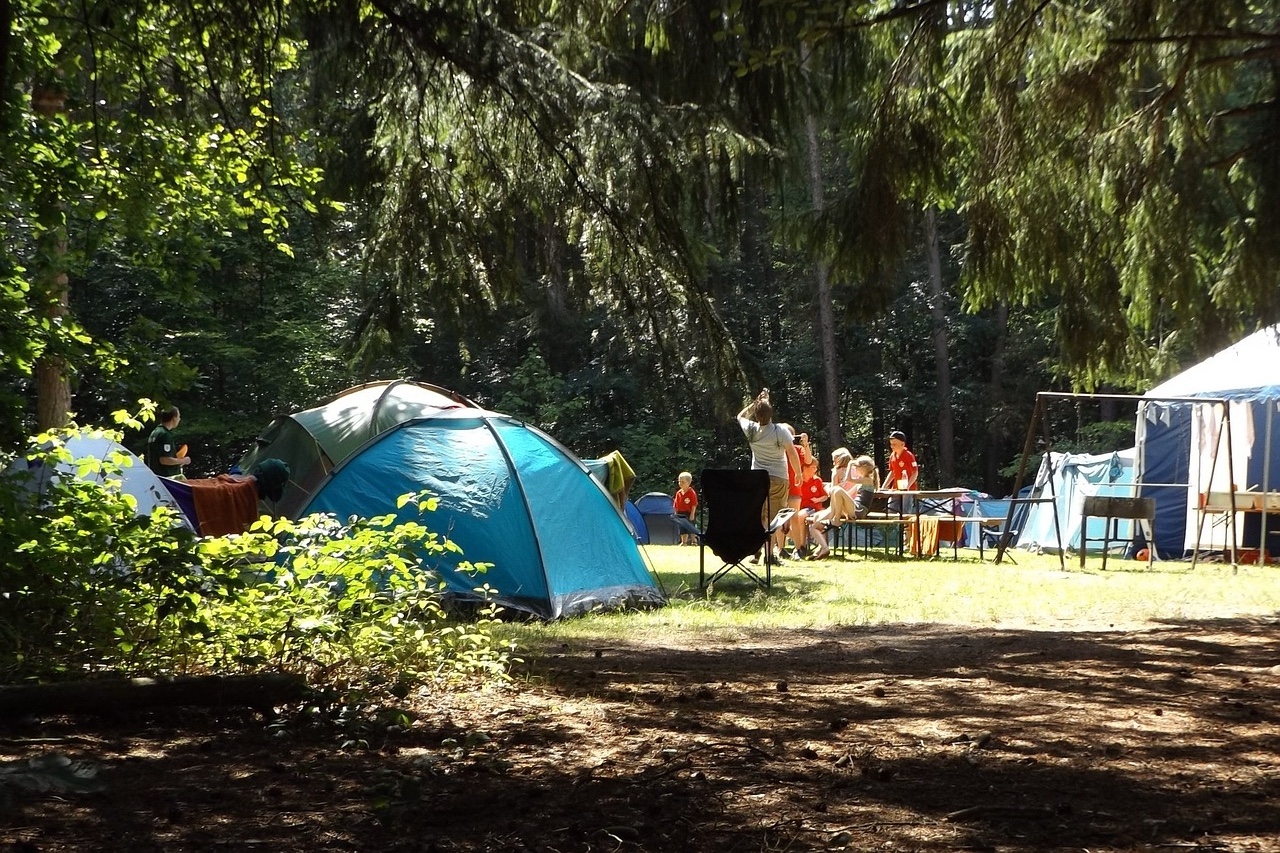
What started as a simple family getaway quickly transformed into an exciting science laboratory under the open sky.
Camping with kids doesn't have to mean endless entertainment battles – it can become the perfect opportunity for hands-on learning. Research shows that 78% of children retain scientific concepts better through outdoor experiences than traditional classroom settings. When you combine nature's classroom with curious young minds, magic happens.
Essential Soil Science Experiments for Young Campers
The ground beneath your tent holds countless learning opportunities waiting to be discovered. I've found that soil experiments work best when they feel like games rather than lessons.
During the camping trip, the child tried a simple soil test using clear water bottles and samples from around the campsite. They filled each bottle halfway with different types of soil, added water, gave them a good shake, and waited as the layers began to separate, clay settling at the bottom, sand in the middle, and organic matter floating on top.
Their learning through online science tuition helped them understand what they were seeing, making the activity even more meaningful. It turned into a fun and insightful way to connect classroom lessons with the natural world around them.
Create mini soil profiles by carefully digging small holes and examining the different colored layers. Each stripe tells a story about rainfall, seasons, and time – concepts that suddenly make sense when kids can touch and see them firsthand.
Rock Identification Adventures While Camping
Your campsite probably sits atop millions of years of geological history. Learning about rocks transforms from a dusty textbook topic into an exciting treasure hunt.
Building Your Collection Kit
Pack a magnifying glass, small bags for specimens, and a basic field guide. Don't forget a notebook for sketching findings – kids love documenting their discoveries like real scientists.
Interactive Camping Games
Turn rock hunting into family camping activities by creating classification challenges. Can they find examples of all three rock types? Which rocks are hardest? Smoothest? These simple questions drive hours of exploration and learning.
Location-Specific Geological Learning Opportunities
Different camping destinations offer unique educational advantages. I've discovered that choosing the right location can make or break your geological adventure.
Choosing Educational Campsites
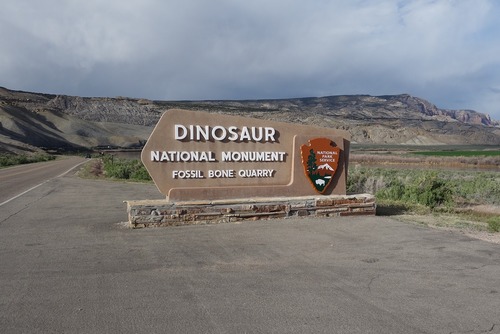
National parks have a way of turning learning into something unforgettable. In the mountains, we saw towering rock formations that told stories of the Earth’s past, while along the coast, we watched how waves and tides slowly shaped the land.
On our last day, we walked through the quiet beauty of Joyce Kilmer–Slickrock Wilderness, measuring old-growth trees, some nearly 500 years old. That simple activity sparked real conversations about how soil forms and changes over time.
Experiences like these stay with kids, helping them see science not just as a subject, but as something alive and all around them.