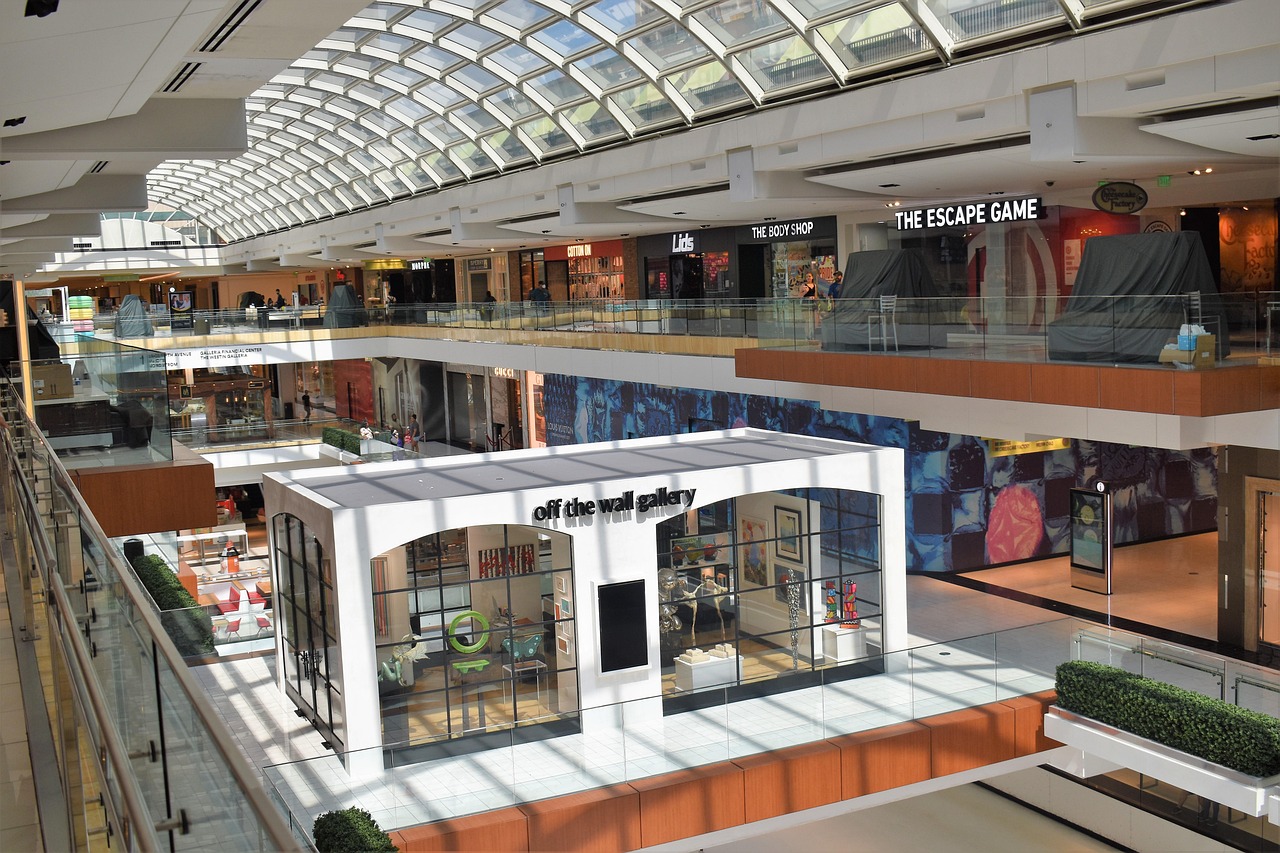
The scale alone takes some getting used to. Hundreds of stores, two or three department stores, a food court the size of a town square, all under one roof and all open late.
The good news is that the choice is less overwhelming than it looks. A handful of stores and brands are worth seeking out, either because you cannot find them back home or because the prices beat what you would pay abroad.
Here is how to shop an American mall like you have done it a dozen times.
One roof, hundreds of stores
American malls are built around anchors, the big department stores parked at each end that pull crowds through everything in between. Smaller specialty shops line the corridors, and that layout is what makes a single visit so efficient. Clothes, beauty, tech and gifts, all in one trip.
Most of the names below sit under the same roof at the top shopping malls across the U.S., from Westfield Century City in Los Angeles to the Westfield center inside New York's World Trade Center. Pick a major mall near you, give it half a day, and you will cover more ground than a week of wandering separate high streets.
Start with the department stores
The department store is the heart of the American mall, so start there. Macy's is the one you will meet most often. It runs more than 850 stores across the country, with floor after floor of clothing, shoes, cosmetics and homeware at mid-range prices. The Herald Square flagship in New York is a sight in its own right, all wooden escalators and nine retail floors.
For something more polished, Nordstrom sets the bar for service and footwear, while Bloomingdale's leans younger and more fashion-forward. At the luxury end, Saks Fifth Avenue and Neiman Marcus carry the designer labels and the dramatic window displays. Even if you only browse, these anchors give you the clearest read on American style and what things actually cost.
The homegrown brands worth seeking out
This is where visitors load up, because plenty of American labels are cheaper on home soil or simply easier to find. Levi's is the classic example, often a fraction of the European price for the same pair of 501s. Ralph Lauren, Coach, Michael Kors, Kate Spade and Tory Burch cover the accessible-luxury bracket that travelers tend to fall for.
For everyday staples, Abercrombie & Fitch has quietly reinvented itself and pulls queues again, while American Eagle, Hollister and Gap handle denim and basics without drama. Old Navy is the budget pick of the bunch. None of these will empty your wallet. The sizing tends to run generous, so try before you stack the basket.
Beauty, athleisure and the cult favorites
American beauty halls are a world of their own. Sephora and Ulta stock aisles of brands you may have only seen online. Bath & Body Works is a ritual stop for scented candles and lotions at pocket-money prices, and the seasonal sales are borderline competitive. Victoria's Secret stays a fixture for lingerie and its famous body mists.
Athleisure is the other magnet. Lululemon has near-cult status for its leggings, Nike and New Balance run big flagship spaces with US-only colorways. Crocs, improbably, has become a souvenir in its own right. If you wear it to the gym or the airport, an American mall almost certainly sells a sharper version of it.
Tech and flagship stores worth a detour
Some stores are an experience before they are a shop. The Apple Store needs no introduction, though the US range and accessories reward a look. The LEGO Store reels in adults as much as kids, with display builds and pick-a-brick walls by the kilo. American Girl puzzles a lot of first-timers, being part doll shop, part cafe, part hair salon for dolls, and it is oddly captivating.
These flagships explain why the mall stopped being only about buying things. Half the appeal is walking in to see what a brand has built, then leaving with a small bag and a story to tell.
Chasing a bargain at the outlets
If price is the whole point, skip the main malls and head for the outlets.
Simon Premium Outlets sit near most big cities, and Sawgrass Mills in Florida ranks as the largest outlet and value destination in the country. The pitch is simple. Factory stores from Coach, Polo Ralph Lauren, Nike and dozens more move past-season stock at steep cuts.
Nordstrom Rack does the same job for department-store fashion. The savings are genuine. Just inspect the item rather than the tag, since some outlet stock is made specifically for the channel. A glance at the seams and the inside label tells you whether you are buying the real thing or a lighter version of it.
What should visitors know before they shop?
A few American habits catch first-timers off guard. The number on the tag is almost never what you pay, because sales tax is added at the register and the rate shifts from state to state. Budget for up to roughly ten percent on top, depending on the city.
There are ways around it. A few states charge no sales tax at all, and Minnesota does not tax clothing, which is part of why the Mall of America near Minneapolis pulls around 40 million visitors a year.
Oregon is another tax-free favorite. Unlike most of Europe, the US has no nationwide tax refund for tourists, so the ticket price plus local tax is broadly what you carry home. Stores usually open around ten in the morning and shut by nine. Card and contactless payment work everywhere.
Treated right, an American mall is more than a shopping trip. It is a fast and comfortable way to read a country through its brands, its bargains and the way it likes to spend a Saturday. Walk in with a short list. Leave room in the suitcase.