
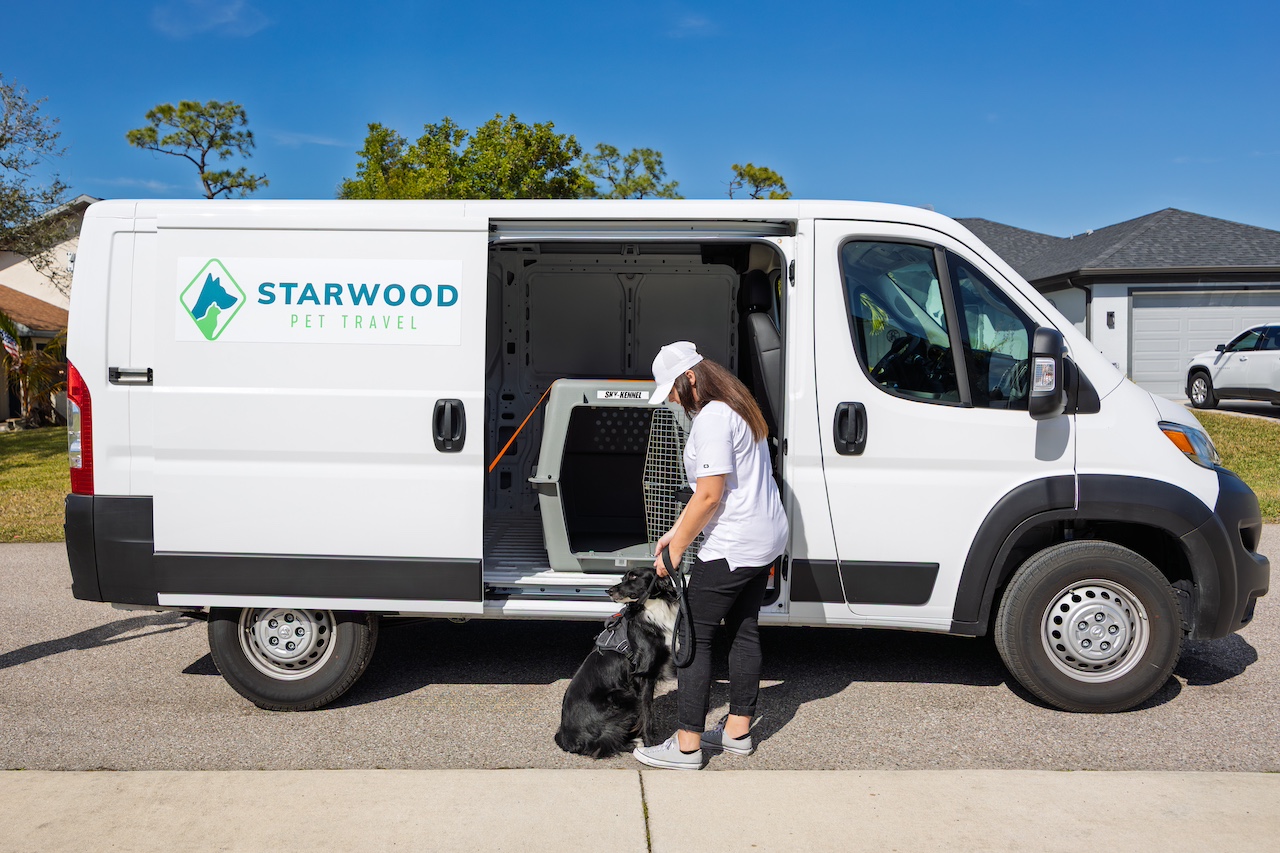
Pet relocation isn’t like packing a suitcase — it runs on its own clock, dictated by import rules, lab turnaround times, and airline pet policies that have nothing to do with your own moving timeline.
If you’re planning a long-term move, working holiday, or relocation abroad and bringing a pet with you, here’s a realistic timeline for what to do and when.
6 Months Out: Research and Documentation
This is the stage most people skip — and the one that causes the most last-minute panic. Start here:
- Confirm your destination country’s pet import requirements. Every country has different rules on vaccinations, microchips, quarantine, and permitted breeds. Some (like Australia, New Zealand, and the UK) have strict, multi-step processes; others are far simpler.
- Check if a rabies titer test (FAVN test) is required. This is the single biggest timeline killer. Many countries require this blood test to be done, sent to an approved lab, and the results to sit for a mandatory waiting period — sometimes 3+ months — before your pet can enter.
- Research airline pet policies. Not every airline flies pets, and those that do have different rules for cabin vs. cargo, breed restrictions (especially for brachycephalic breeds), and seasonal embargoes on pet travel during extreme heat.
- Decide whether you’ll handle this yourself or use a pet relocation specialist. For complex destinations, an IATA-certified relocation company can manage documentation, book pet-friendly flights, and handle customs — which is worth it if you’re already juggling visas, housing, and a job change. Starwood Pet Travel’s pet travel timeline tool is a genuinely useful starting point here — you plug in your destination and it maps out exactly what needs to happen and when, which takes a lot of the guesswork out of this stage.
3 Months Out: Paperwork, Vet Visits, and Bookings
By this point, your timeline should be locked in and you’re executing.
- Get an updated health certificate from your vet, but check the exact window — most countries require this to be issued within 10 days of travel, not 3 months, so this is more of a “schedule the appointment now” step than a “do it now” step.
Update vaccinations if anything is due to expire before your travel date. - Book your pet’s flight or cargo space early. Airlines cap the number of animals per flight, and cabin space in particular fills up fast.
- Start pet-proofing the logistics of your actual move — crate training, microchip registration in the destination country’s database if required, and researching pet-friendly housing at your destination.
- If you haven’t already, this is a good checkpoint to compare your timeline against a structured guide. This breakdown of how far in advance to start planning a pet’s international move is a solid sanity check for whether you’re on track or behind.
1 Month Out: Final Prep
The home stretch is about tying up loose ends, not starting new processes.
- Schedule the final health certificate appointment within the required pre-travel window (often 3–10 days before departure, depending on the destination).
- Confirm crate requirements — IATA-compliant crate sizing is non-negotiable for most airlines, and pets often need time to get comfortable in the crate before travel day.
- Reconfirm your flight and any layover pet policies, especially if your route includes a country with its own transit pet regulations.
- Pack a pet travel kit: food, medication, comfort items, a printed copy of every document, and contact information for a vet at your destination.
- If anything feels uncertain at this stage, get a second set of eyes on it. A specialist relocation service can catch a missing form or a mistimed test result before it becomes a canceled flight — for anyone who didn’t start the process 6 months out, this is where working with an experienced pet relocation company tends to pay for itself.
FAQ: International Pet Relocation Timelines
How far in advance should I start planning to move internationally with a pet?
At least 6 months, especially if your destination requires a rabies titer test, which alone can take 3–4 months to clear.
What’s the biggest mistake people make with pet relocation timelines?
Underestimating rabies titer test and quarantine wait times. These are dictated by the destination country, not your moving date, and can’t be rushed.
Do all countries require the same pet import process?
No. Requirements vary widely — some countries have simple vaccination and microchip rules, while others require blood tests, extended waiting periods, or quarantine on arrival.